
A plumbing problem can turn stressful fast. A slow drain may become a backup, a leaking pipe can spread water into floors or walls, and a broken water heater can interrupt the whole day. When you need help quickly, it may be tempting to approve the first quote you receive. That can lead to paying too much, accepting unclear terms, or missing a better option.
Knowing how to compare plumbing quotes effectively helps you look past the lowest number and focus on real value. A fair quote should explain the work, pricing, materials, timeline, and service terms in a way you can understand. It should also come from a plumber who communicates clearly and can provide proper credentials.
Emergency Plumbing Squad helps homeowners connect with local plumbing support when urgent issues can’t wait. Even during an emergency, you can still ask smart questions and review the details before approving repair work.
What Affects the Cost of Plumbing Work
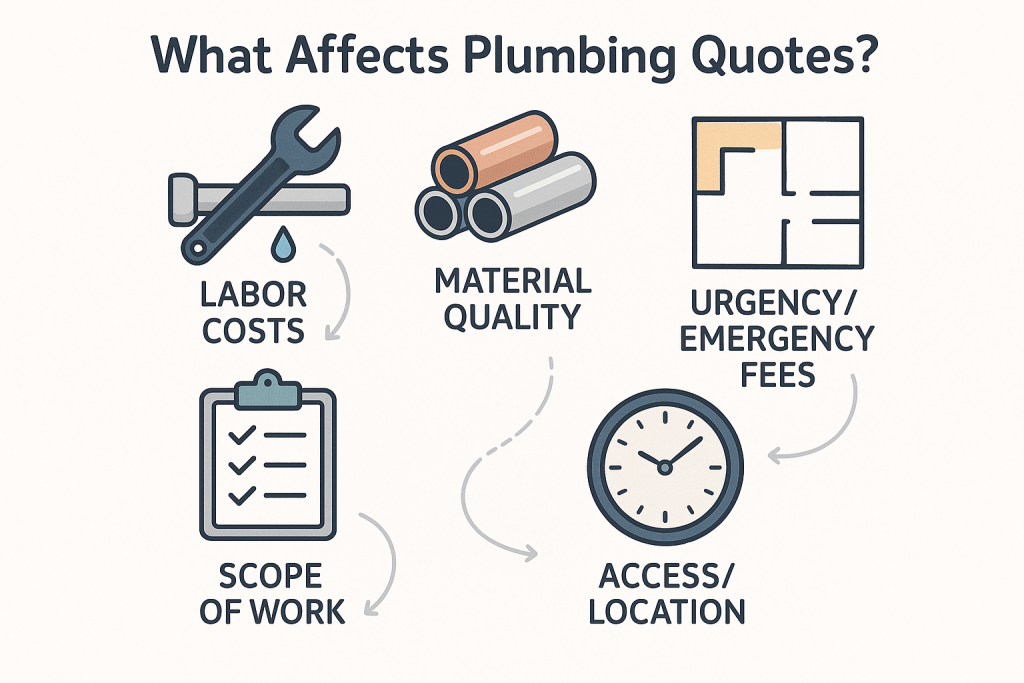
Plumbing prices can vary because no two jobs are exactly the same. A clogged bathroom sink is usually simpler than a sewer backup, water main issue, burst pipe, or hidden leak behind a wall. The amount of labor, access, parts, and urgency all affect the final cost.
Emergency timing is one of the biggest factors. A service call late at night, on a weekend, or during a holiday may include an added service charge. That doesn’t always mean the price is unfair. It means the company is responding outside regular hours and may need to shift scheduling to send help quickly.
The scope of the job also matters. A small repair may only need basic tools and a short visit. A larger job may require pipe replacement, drain equipment, leak detection tools, wall access, or cleanup coordination. Older homes can add complexity because pipes may be harder to reach, parts may be outdated, and the system may need extra care.
Materials also affect plumbing pricing. Copper, PVC, PEX, fixtures, valves, connectors, water heater parts, and specialty components can all change the estimate. The quote should explain what materials are being used and why they’re recommended.
Location can influence price as well. Labor rates, permit needs, travel time, and local market costs may vary by area. Residential quotes are typically more straightforward than large commercial work, but homeowners still need clear details to compare each option fairly.
| Cost Factor | Why It Changes the Price | What to Ask |
| Urgency | After-hours or same-day service may cost extra | Is there an emergency service fee? |
| Job scope | Larger repairs need more labor and materials | What work is included in this quote? |
| Access | Hard-to-reach pipes take longer to repair | Will walls, floors, or cabinets need to be opened? |
| Materials | Part quality and availability affect cost | What parts are being used? |
| Labor time | Longer jobs increase the total | Is pricing flat rate or hourly? |
| Location | Travel, local rates, and permit rules vary | Are travel or permit costs included? |
A fair quote should make these cost drivers easy to understand. If the explanation feels vague, ask for more detail before approving the work.
Flat-Rate Pricing vs. Hourly Pricing
Plumbing contractors often use either flat-rate pricing or hourly pricing. Both can be fair, but they work differently.
Flat-rate pricing gives you one price for a specific job. This can be helpful during urgent repairs because you know the cost before the job begins. If the repair takes longer than expected, the price usually stays the same as long as the scope doesn’t change. For homeowners dealing with water damage, backups, or a fast-moving leak, that predictability can lower stress.
The drawback is that a simple job may cost the same even if it takes less time than expected. That is why you should ask what the flat rate includes. It may cover diagnosis, labor, standard materials, equipment use, and cleanup, or it may only cover part of the work.
Hourly pricing charges based on time. This can be useful for smaller repairs or jobs where the problem isn’t fully known yet. You may pay less if the fix is quick. The risk is that the total can increase if the job takes longer due to hidden damage, difficult access, or parts delays.
Ask the plumber to explain their pricing model before the repair starts. A professional should be able to say whether the quote is flat rate, hourly, or a combination of both. Some companies use pricing tools to estimate labor and materials, while others provide a written range until the technician inspects the issue on site.
Make sure the quote states whether the following items are included:
- Trip or dispatch fee
- Diagnostic fee
- Labor rate or flat repair price
- Materials and parts
- Equipment use
- After-hours charges
- Cleanup or disposal
- Warranty terms
The pricing style matters less than the clarity. A higher price with clear details may offer better value than a lower number with missing information.
What a Detailed Quote Should Include
A detailed quote protects both the homeowner and the plumber. It sets expectations before work begins and reduces the chance of surprise charges later. When possible, ask for the estimate in writing, even if the repair is urgent.
A good plumbing estimate should identify the problem, describe the recommended repair, list the main parts or materials, and explain labor costs. It should also show whether the work is being priced as a flat rate or by the hour. If the exact total can’t be known until inspection, the plumber should explain what could change the price.
Don’t rely on a single vague number. A lump-sum quote may hide add-ons, unclear labor charges, or items you didn’t request. Itemized estimates help you compare quotes with confidence because you can see how each contractor is pricing the same job.
A detailed quote should include:
- Company name and contact information
- Technician or plumber name when available
- Description of the plumbing issue
- Scope of work to be performed
- Labor cost or pricing method
- Materials and parts included
- Service charge or emergency fee
- Permit costs, when needed
- Estimated timeline
- Warranty or workmanship terms
- Payment terms
- What’s not included
This level of detail is especially helpful when you receive multiple estimates. One plumber may include cleanup, disposal, or standard parts in the price, while another may charge separately. One estimate may include warranty coverage, while another may not mention it.
Also ask whether the quote includes only the immediate repair or any optional maintenance. For example, a drain clearing quote may include the blockage removal but not camera inspection. A leak repair quote may include replacing a damaged fitting but not repairing drywall. Knowing the limits helps you avoid confusion later.
How to Compare Quotes from Plumbing Contractors
Once you have two or three quotes, don’t choose based only on the bottom-line price. Compare the scope, service terms, credentials, and communication. A low quote can cost more later if it leaves out needed work, uses weaker materials, or doesn’t include warranty coverage.
Start by making sure each plumber provides an estimate for the same problem. If one contractor is quoting a small repair and another is quoting replacement, ask why their recommendations differ. Sometimes a larger repair is needed, but the contractor should be able to explain the reason in clear terms.
Next, compare included services. Does the quote cover diagnosis? Are parts included? Is after-hours service included? Are cleanup and testing included? Are there possible additional charges? Clear answers make it easier to understand value.
Check credentials before approving work. A licensed plumber should be willing to provide license information where required. Contractors should also be insured. Use this quick comparison method:
- Match the scope of work across each quote
- Compare labor, materials, fees, and warranty terms
- Ask why one price is much higher or lower than the others
- Confirm license and insurance requirements in your local area
- Review recent customer feedback when available
- Choose the provider that gives clear answers, not just the cheapest price
Be careful with unexpectedly quick plumbing quotes that come with little explanation. Fast service is valuable during an emergency, but the estimate should still include enough detail for an informed decision.
Red Flags That May Signal Overcharging
Some quote issues are simple mistakes. Others can be signs that the contractor is not being transparent. Knowing the warning signs can help you avoid overpaying or approving work you don’t need.
A very low quote can be just as concerning as a high one. Low prices are sometimes used to win the call, then costs rise after the technician arrives. If the price sounds too low for the repair, ask what’s included and what could increase the total.
Vague pricing is another warning sign. If the estimate doesn’t explain labor, materials, fees, or scope, you may have trouble disputing charges later. A professional should be willing to put the details in writing.
Pressure is also a concern. Plumbing emergencies require fast action, but you shouldn’t feel forced into approving a large repair without an explanation. If a plumber says you must decide immediately but can’t clearly show why, consider getting another opinion.
Watch for these signs:
- No written estimate
- Refusal to explain the repair
- Large upfront payment demand
- Missing license or insurance information
- No clear warranty terms
- Price far below other estimates
- Price far above other estimates with no clear reason
- Unclear material or labor charges
- Pressure to approve replacement before diagnosis is complete
You can ask direct questions without being difficult. A trustworthy plumber should understand that homeowners want to protect their homes and budgets.
Choose Value, Not Just the Lowest Price
The best plumbing quote isn’t always the cheapest. The best value comes from a clear scope of work, fair pricing, proper credentials, quality materials, and a plumber who communicates well. When water is leaking or a drain is backing up, you need fast help, but you also deserve clear information before the repair begins.
To compare quotes with confidence, ask for written details, review what’s included, confirm the pricing model, and check whether the contractor is licensed and insured for the job. If one estimate is unclear, ask for clarification before approving work.
Emergency Plumbing Squad is available 24/7 to help homeowners find local plumbing support for urgent leaks, clogs, drain backups, water heater issues, burst pipes, and other time-sensitive problems. If you need help now, call for prompt service and use the quote review steps above to make a smart, informed choice for your home.