
Sediment in a water heater tank can start small, then turn into noisy operation, poor hot water performance, higher energy use, and plumbing repair needs. Many homeowners do not notice the problem until the tank starts popping, rumbling, leaking, or sending cloudy water through faucets.
Emergency Plumbing Squad helps homeowners spot these issues early and respond fast. Whether the problem comes from hard water, aging plumbing lines, or years without flushing, sediment buildup can affect comfort, safety, and the life of your water heater.
A few warning signs can tell you when your tank needs attention. Use the information below to find out how to detect sediment buildup in tank, identify symptoms, and know when to call a plumber for inspection, flushing, or repair.
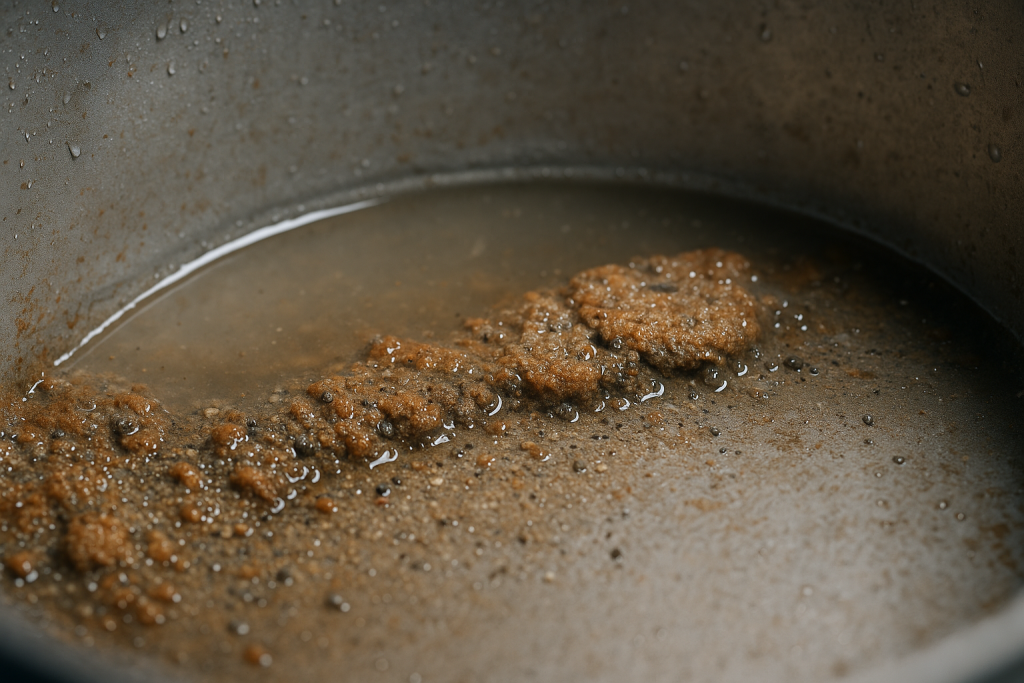
Signs Your Water Heater Has Sediment Buildup
Sediment usually collects at the bottom of the tank, where minerals, rust, sand, and other particles settle after entering with the water supply. As the layer thickens, the water heater has to work harder to heat water through that barrier.
One of the most common signs is noise. If you hear pops and rumbles, banging, crackling, or hissing sounds during a heating cycle, sediment may be trapping water beneath the mineral layer. When that trapped water turns into steam, it creates pressure and noise inside the heater tank.
You may also notice changes in hot water performance. The shower may turn cold faster than normal, or the water may take longer to heat. If the heating element or burner is blocked by sediment, the tank cannot transfer heat as efficiently.
Watch for these warning signs:
- Popping, rumbling, cracking, or hissing sounds from the water heater
- Hot water that runs out quickly or changes temperature without warning
- Discolored water, cloudy water, or rusty-looking water from taps
- Lower water pressure at sinks, showers, or appliances
- Metallic tastes or odors in the hot water
- Higher utility bills without a clear reason
- Leaks near the drain valve or tank base
Discolored water can point to rust, minerals, or loose debris moving through the system. Low pressure may happen when sediment moves into supply lines, faucet screens, showerheads, or appliance inlets.
A single symptom does not always mean the tank is failing, but several signs at the same time deserve prompt attention. Emergency Plumbing Squad can inspect the system, check the drain valve, review water quality issues, and recommend the right repair before the problem gets worse.
Why Sediment Builds up Inside the Tank
Most sediment buildup starts with the water supply. Hard water contains minerals such as calcium and magnesium. When water enters the tank and heats up, these minerals separate from the water and settle. Over time, they form a rough layer at the bottom of the tank.
Hard water is common in many parts of the country, so homeowners may deal with buildup even when their plumbing system seems to be working normally. The problem can move faster when the tank is not flushed on a regular schedule.
Local plumbing conditions can also add debris. Older metal pipes may release rust flakes. A recent repair may loosen material inside lines. Well water may carry sand or fine grit. Municipal supply changes can also stir particles that end up inside the water heater.
Sediment does not stay harmless forever. When it collects, it can trap heat, stress the tank, clog fixtures, and reduce efficiency. The anode rod may also have a harder time protecting the tank from corrosion if the inside of the heater is coated with mineral debris.
Common sources of sediment include hard water minerals, rust from older plumbing lines, sand or grit from wells, deteriorating pipe material, and debris stirred up during plumbing work.
Homeowners with older systems, frequent hot water demand, or known hard water should schedule an inspection sooner rather than later. Emergency Plumbing Squad can check whether the issue is inside the water tank, in nearby plumbing lines, or related to the broader water supply.
How Sediment Affects Hot Water, Pressure, and Appliances
Sediment affects the whole plumbing system, not just the tank. Once particles build up or move through the home, they can interfere with fixtures, appliances, and water flow.
Inside the water heater, sediment acts like a barrier between the heat source and the water. Gas water heaters may overheat at the bottom of the tank. Electric models may strain heating elements. In both cases, the unit may use extra energy while delivering weaker hot water.
Water pressure can also drop. Sediment may clog faucet aerators, showerheads, valves, filters, and appliance screens. A washing machine or dishwasher may take longer to fill. A shower may feel weaker. A kitchen faucet may sputter or flow unevenly.
The effect on appliances can be costly. Dishwashers, washing machines, ice makers, and water-using fixtures rely on steady flow. When sediment reaches small screens or valves, those parts may wear out faster or stop working.
| Problem | What You May Notice | Why It Happens | Best Next Step |
| Noisy water heater | Popping, rumbling, or hissing sounds | Water heats beneath trapped sediment | Schedule inspection and flushing |
| Poor hot water | Short showers or slow recovery | Sediment blocks heat transfer | Flush the tank and check heating parts |
| Discolored water | Rusty, cloudy, or gritty water | Minerals or rust move through lines | Test water and inspect tank condition |
| Low pressure | Weak showers or slow faucets | Debris clogs screens or supply points | Clean fixtures and check plumbing lines |
| Appliance strain | Longer fill times or poor performance | Sediment reaches inlet screens | Inspect filters and appliance connections |
Sediment can also increase repair needs. A neglected tank may develop overheating, valve issues, corrosion, or leaks. Once the tank lining is damaged, flushing may not fully restore performance.
That is why early service matters. Emergency Plumbing Squad offers 24/7 plumbing help for homeowners who notice sudden hot water loss, visible leaks, pressure changes, or water quality concerns.
Safe Ways to Remove Sediment from a Water Heater
The most common way to remove sediment is flushing the tank. Flushing opens the drain valve and lets water carry settled debris out of the heater. For many homes, this should be done every six to twelve months, depending on water hardness and system age.
Some homeowners can handle a basic flush, but caution matters. Water inside the heater can be very hot. Gas, electric, and tankless systems also have different service steps. If the drain valve is stuck, leaking, or clogged, forcing it can create a bigger repair problem.
A basic flush usually involves turning off power or gas, shutting off the cold water supply, attaching a hose to the drain valve, draining water to a safe location, briefly refilling and draining again, then restoring the system once water runs clear.
Call a plumber if:
- The water heater has not been flushed in several years
- The drain valve will not open or will not close
- Water stays cloudy after repeated flushing
- You see leaking, rust, or corrosion near the tank
- The unit makes loud banging sounds
- Hot water performance does not improve after flushing
A professional may inspect the anode rod, drain valve, pressure relief valve, heating elements, burner area, and nearby plumbing. If the tank is older or badly corroded, replacement may be safer than repeated repair.
Emergency Plumbing Squad can help determine whether flushing is enough or whether the system needs repair. Fast service is especially helpful when sediment causes sudden hot water loss, leaks, or pressure problems.
Prevention Tips That Help Keep the Tank Clear
Prevention starts with regular maintenance. A clean tank usually runs quieter, heats faster, and lasts longer than one filled with mineral debris.
A water filter can help reduce particles before they reach the heater. Sediment filters are often installed near the main water line to catch sand, rust, and grit. In homes with hard water, a softener may reduce mineral deposits and slow future buildup.
Temperature settings also matter. Setting the water heater around 120°F can reduce mineral scaling while still supporting everyday household use. Very high settings may speed mineral separation and increase scalding risk.
Good prevention habits include flushing the tank on schedule, replacing sediment filters as recommended, cleaning faucet aerators and showerheads, watching for pressure changes, testing hard water when buildup returns quickly, and scheduling a plumbing inspection once a year.
Emergency Plumbing Squad can recommend maintenance based on your local water conditions, household demand, and equipment age. A small service visit can prevent surprise breakdowns and help your water heater stay reliable.
For homeowners who want less hands-on maintenance, a recurring plumbing checkup is a smart option. A plumber can review the system, drain the tank, inspect valves, look for early corrosion, and catch water quality concerns before they become an urgent repair.
When to Call a Plumber for Sediment Problems
Sediment issues can start quietly, but they should not be ignored once they begin affecting hot water, pressure, or water clarity. A routine flush may help when buildup is light, but some symptoms point to a deeper problem inside the tank or plumbing lines.
Call Emergency Plumbing Squad if you notice loud popping or banging, rusty water, sudden pressure drops, leaking near the tank, or hot water that runs out much faster than it used to. These signs can mean sediment has already started interfering with heating parts, valves, or water flow.
A licensed plumber can inspect the tank, test the drain valve, check the anode rod, review nearby plumbing, and determine whether flushing, repair, filtration, or replacement is the safest option. This is especially helpful if the water heater has not been serviced in several years, if you have hard water, or if the tank is older and showing corrosion.
Emergency Plumbing Squad is available 24/7 for water heater concerns, urgent plumbing issues, and preventive service. If your tank is noisy, your water looks cloudy, or your hot water supply has changed, schedule service before a small sediment problem turns into a larger repair.
