A plumbing emergency can happen fast. One minute, everything seems normal. The next, water is spreading across the floor, a toilet is overflowing, a water heater is leaking, or the main supply has stopped working. Knowing what counts as a plumbing emergency at home can help you act quickly and protect your property from avoidable damage.
Some plumbing problems can wait for a scheduled repair. Others need immediate attention. A slow drip from a faucet may not require the same response as a burst pipe, sewer backup, gas concern, or sudden loss of water pressure. The main difference is risk. If the issue can damage your home, affect safety, stop basic water use, or create unsanitary conditions, it should be treated as urgent.
Emergency Plumbing Squad helps homeowners and businesses respond to plumbing problems that cannot wait. Our team is available 24/7 for emergency plumbing service, including leaks, burst pipes, sewer line issues, toilet overflows, water heater problems, low water pressure, and other urgent repairs. When water is moving where it should not, or your home can no longer function safely, it is time to call for help.
Plumbing Emergency Warning Signs You Should Not Ignore
A plumbing emergency is usually a situation that requires immediate attention because it may cause damage, affect health, or interrupt daily use of your home. Some problems are obvious, such as water pouring from a ceiling or a toilet that will not stop overflowing. Others are harder to spot at first, especially if the issue is hidden behind walls, under floors, or below the slab.
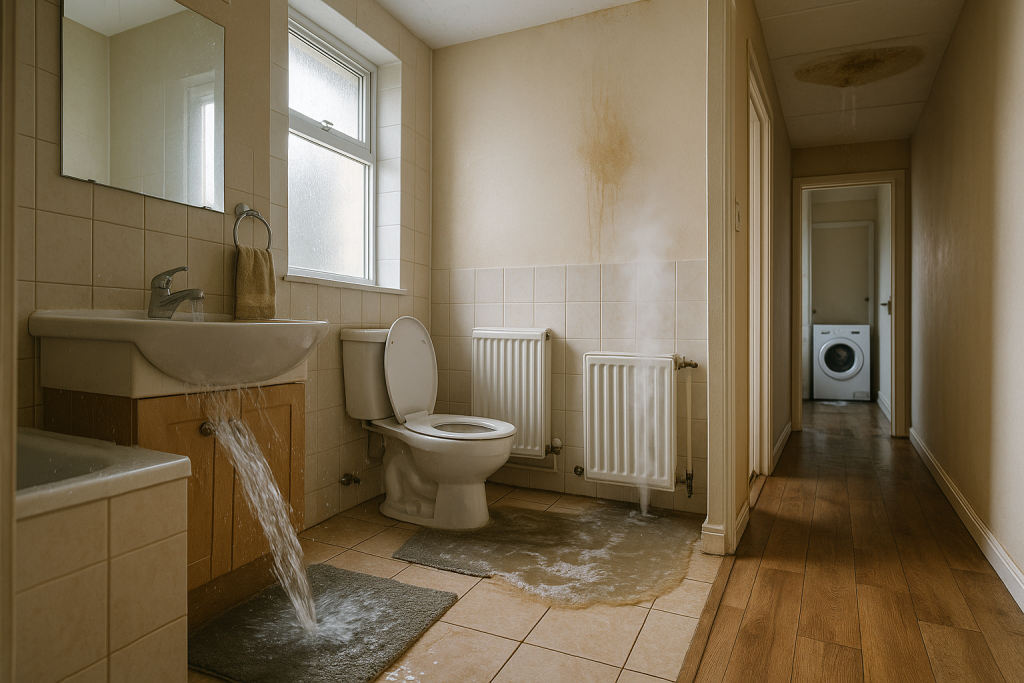
One clear warning sign is active water. If water is pooling, spreading, dripping through drywall, or coming from a pipe, fixture, ceiling, or appliance connection, the problem should be taken seriously. Water damage can move quickly through flooring, cabinets, baseboards, insulation, and electrical areas.
Another warning sign is sewage. If wastewater backs up into a tub, shower, toilet, or floor drain, stop using the plumbing in that area and call for emergency service. Sewer problems can expose your home to odors, bacteria, and unsafe conditions.
Loss of water can also be urgent. If no water comes from the taps, or if the whole property has low water pressure, the problem may involve the water main, a frozen pipe, a major leak, or a supply issue. A sudden change in pressure can be a sign that water is escaping somewhere inside or outside the home.
Common signs that you may need emergency plumbing help include:
- Water spreading across floors, ceilings, or walls
- A toilet that overflows and will not stop
- A burst pipe or pipe bursts behind a wall
- Sewage backing up through drains or fixtures
- A leaking or failing water heater
- A suspected gas line concern
- Sudden low water pressure throughout the home
- No water from multiple fixtures
- A frozen pipe with little or no flow
- Major leaks near appliances, sinks, toilets, or utility rooms
If you are unsure whether the issue is urgent, it is safer to call and explain what is happening. A plumber can help determine the next step and whether immediate service is needed.
Water Leaks, Major Leaks, and Water Damage
Water leaks can look small at first, but they may become serious if they are active, hidden, or spreading. A drip under a sink may be manageable if it is contained and easy to shut off. A leak behind a wall, near electrical areas, under flooring, or around a water heater is a different concern.
Major leaks need fast repair because water can damage many parts of the home. Drywall can soften. Flooring can swell. Cabinets can warp. Insulation can hold moisture. If water reaches outlets, wiring, appliances, or electrical panels, the situation can also become unsafe.
Plumbing leaks often give early clues. You may notice damp spots, peeling paint, musty odors, loose tiles, bubbling drywall, or water stains. A sudden increase in the water bill can also point to a hidden leak. If you hear water running when no fixtures are in use, there may be a pipe leak somewhere in the system.
The location of the leak matters. Water around a toilet may come from a supply line, wax ring, tank, or base. Water under a sink may involve the drain, trap, faucet connection, or shutoff valve. Water near a washing machine may come from a hose or wall connection. Water around the water heater can point to a tank, valve, or pipe issue.
| Plumbing Issue | Emergency Risk | Why It Matters | Recommended Action |
|---|---|---|---|
| Small contained drip | Low to moderate | May worsen if ignored | Shut off local valve and schedule repair |
| Active pipe leak | High | Can spread through walls or floors | Call for emergency plumbing service |
| Water heater leak | High | Can damage nearby flooring and equipment | Turn off supply if safe and call a plumber |
| Ceiling water stain with dripping | High | May involve a hidden pipe repair need | Keep clear of the area and request urgent help |
| Sewer backup | High | Can create unsafe conditions | Stop using fixtures and call right away |
| Gas concern near plumbing equipment | High | Can affect safety | Leave the area and contact the proper emergency service |
Water damage gets worse the longer it continues. Even if the visible leak looks small, the hidden damage may be larger. Fast repair can help limit the spread and reduce the amount of cleanup needed afterward.
Burst Pipes, Frozen Pipes, and Water Main Problems
Burst pipes are one of the most urgent plumbing emergencies a homeowner can face. A burst pipe is a broken section of plumbing that allows water to escape quickly. The break may happen inside a wall, under a sink, in a basement, in a crawl space, or outdoors near the water main.
Pipe bursts often happen during freezing weather, but they can also come from age, pressure changes, corrosion, ground movement, or impact damage. A frozen pipe can be especially risky because water expands as it freezes. Pressure builds inside the line, and once the pipe cracks, water may rush out when the ice thaws.
Signs of frozen pipes include little or no water from a faucet, frost on visible pipes, strange sounds when using water, or one area of the home losing flow. If you suspect a frozen pipe, do not use open flames or unsafe heating methods. Call a plumber before the pipe bursts or the damage spreads.
Water main problems can also create urgent conditions. The water main is the main line that brings clean water into the home. If it breaks, you may notice low water pressure, no water, pooling in the yard, soggy soil, muddy water, or water flowing near the foundation. A damaged water main can affect the whole property and may require fast pipe repair.
If a pipe has burst or the water main may be damaged, take these steps if safe:
- Shut off the main water valve.
- Avoid standing water near electrical areas.
- Move belongings away from wet spaces.
- Open cabinets near the affected line if freezing is involved.
- Take photos of visible damage for your records.
- Call Emergency Plumbing Squad for urgent service.
Fast response matters because water from a burst pipe can spread through several rooms in a short time. Even a small break can release enough water to damage flooring, walls, furniture, and stored items.
Sewer, Drain, Toilet, and Low Water Pressure Issues
Some plumbing emergencies do not start with a broken pipe. Many begin with drains, toilets, sewer lines, or sudden water pressure changes. These problems can disrupt the entire home and may create health or safety concerns if they are not handled quickly.
A clogged toilet may be a minor issue if it affects one fixture and can be cleared safely. It becomes urgent when the toilet overflows, sewage appears, water keeps rising, or multiple drains are slow at the same time. If plunging does not work, or water backs up into a tub or shower, the problem may be deeper in the plumbing drain or sewer line.
Sewer line problems need fast attention. Wastewater backing into the home is not something to wait on. It may affect floors, walls, bathrooms, and lower-level rooms. Stop using water if you suspect a sewer issue. Running sinks, showers, washers, or dishwashers can add more water to the backed-up line.
Low water pressure can also signal an emergency, especially if it happens suddenly across the whole home. Low water may point to a hidden leak, broken water main, frozen pipe, or supply line issue. If the pressure drops in one fixture only, the cause may be local. If it affects the entire property, it should be checked quickly.
A water pressure problem may come with other warning signs, such as:
- Wet spots in the yard
- Water stains indoors
- Gurgling drains
- Muddy or discolored water
- A running water sound behind walls
- Poor toilet flushing
- Slow drains throughout the house
Emergency Plumbing Squad can help identify whether the issue is a drain clog, sewer line problem, hidden leak, water main concern, or another urgent plumbing issue. Getting help early can prevent the problem from spreading and protect your home from extra damage.
Water Heater, Gas, and Installation-Related Emergencies
A water heater problem can become urgent when it affects safety, causes water damage, or leaves the home without hot water. Some issues are simple to schedule. Others need faster service, especially when water is leaking from the heater, pooling around the base, or coming from nearby connections.
A leaking water heater may be caused by a valve, pipe connection, drain line, or tank problem. If the tank itself is failing, the leak may grow quickly. Watch for rust-colored water, popping sounds, inconsistent hot water, damp flooring, or corrosion around the unit. These signs can point to a heater issue that should be checked before it becomes worse.
Gas concerns should always be treated seriously. If you smell gas near a water heater, furnace, appliance, or gas line, leave the area and contact the proper emergency service. Do not turn lights on or off, use open flames, or try to locate the source yourself. Once the immediate safety concern is handled, a qualified professional can inspect the plumbing or appliance connection.
Installation problems can also lead to emergencies. A poorly installed toilet, water heater, supply line, sump pump, or fixture may leak, loosen, or fail under normal use. If a new fixture starts leaking soon after installation, shut off the water to that area if possible and call for repair.
A pump issue can also create an emergency in homes with basements or drainage systems. If the sump pump fails during rain or groundwater rises, water may enter the home. A pump that hums, runs constantly, fails to start, or cannot keep up with incoming water should be checked quickly.
Emergency Plumbing Squad can help with urgent water heater issues, gas-related concerns that involve plumbing equipment, fixture leaks, toilet problems, pump failures, and emergency repair needs. If a system is leaking, unsafe, or stopping your home from functioning properly, it should not be ignored.
Call Emergency Plumbing Squad for 24/7 Help
Plumbing emergencies can feel stressful, but the right response can limit damage and help your home get back to normal faster. If water is spreading, sewage is backing up, a pipe has burst, gas may be involved, or your water supply has stopped working, call for help right away.
Emergency Plumbing Squad provides 24/7 service for homeowners and businesses that need fast plumbing repair. Our team helps with burst pipes, water leaks, water heater problems, sewer backups, low water pressure, toilet overflows, frozen pipes, water main concerns, and other urgent issues.
Before the plumber arrives, stay safe. Shut off the water if you can do so without risk. Keep people and pets away from sewage or standing water. Avoid electrical areas affected by leaks. Do not keep using fixtures if drains are backing up. These simple steps can help reduce damage while you wait for service.
When a plumbing issue puts your home, safety, or water supply at risk, do not wait for the problem to grow. Call Emergency Plumbing Squad for emergency plumbing help day or night.